The global artificial flower and plant industry is blooming with innovation, expansion, and evolving consumer preferences. Here are some of the latest international news and trends in this flourishing sector.
Market Expansion and Growth Projections
The global artificial flower market is on a remarkable growth path. Valued at USD 1.70 billion in 2024, it is forecasted to reach USD 1.78 billion in 2025 and skyrocket to USD 2.56 billion by 2032, with a Compound Annual Growth Rate (CAGR) of 5.33% during the forecast period. The US artificial flower market, in particular, is set to see significant growth, expected to be worth USD 284.22 million by 2032.
Europe holds a substantial 28.47% market share in the artificial flower market as of 2024. The increasing adoption of long-lasting decorative floral arrangements in both residential and commercial sectors is a major driving force behind this growth. Numerous successful product launches have also buoyed the market.
BlueWeave Consulting's research indicates that the global artificial plant and flower market, valued at USD 1.89 billion in 2023, is projected to grow at a CAGR of 5.39% from 2024 to 2030, reaching USD 2.99 billion by 2030. This growth is attributed to factors such as rising urbanization, busy lifestyles, growing awareness of allergies, and the sustainable and eco-friendly allure of artificial flora.
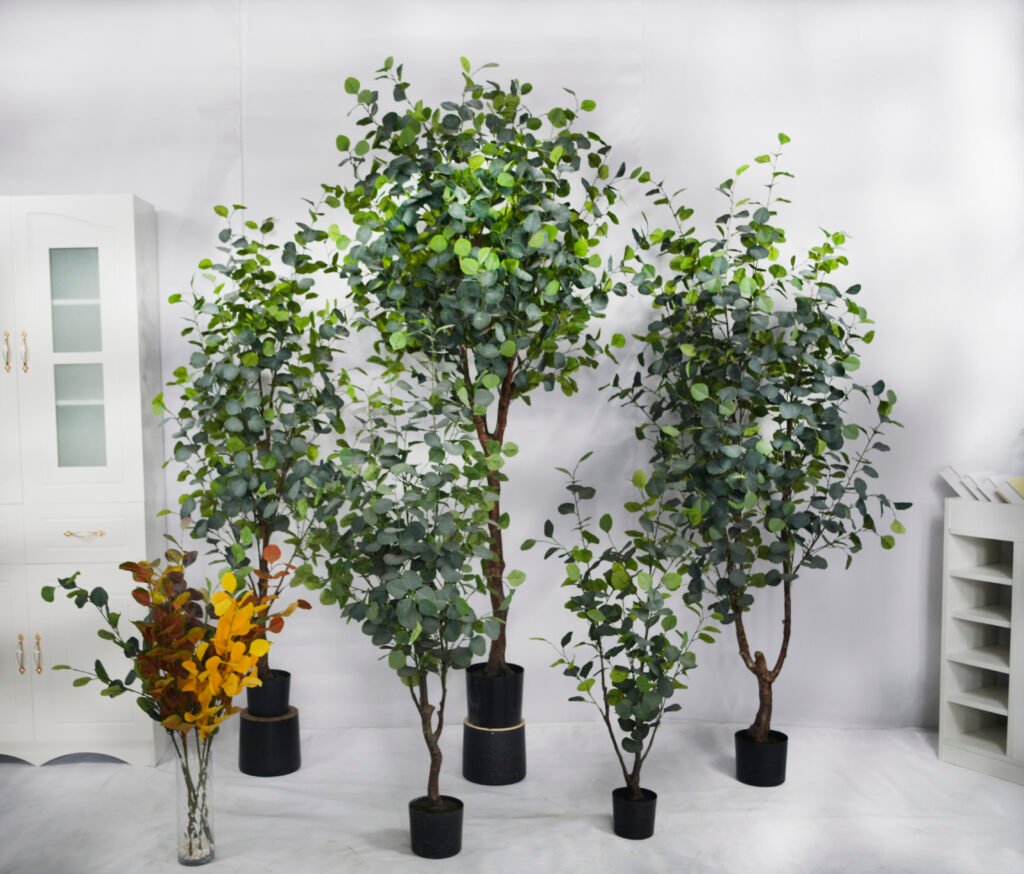
Trends Reshaping the Industry
Festival - Fueled Demand
The growing number of festival celebrations around the world is spurring the demand for artificial flowers. Festivals offer people an opportunity for leisure and social activities. After the isolation brought about by the COVID - 19 pandemic, individuals are placing greater importance on festivities and social gatherings. This trend has expanded the target market for industry players, as artificial flowers are extensively used for decoration in households and commercial spaces during festivals. Event management companies are also increasingly using artificial flowers for floral arrangements during festivals, further driving market growth.
Technological Innovations in Manufacturing
The manufacturing processes for artificial flowers and plants are witnessing significant technological advancements. High - tech materials like high - quality thermoplastic polyurethane (TPU), silicone, and cotton - linen blended materials are being increasingly used. These materials not only enhance the authenticity of the products in terms of touch and appearance but also improve their durability and UV resistance, making them suitable for long - term use.
Customization and Artistic Design
Consumers' aesthetic preferences are becoming more diverse, and as a result, artificial flowers and plants are evolving from mere decorative items to artistic expressions and personalized design elements. Many brands now offer customization services, allowing consumers to choose flower types, colors, sizes, and arrangements according to their specific needs. This customization extends to creating unique floral decorations for various settings, including home decor, festivals, and weddings.
Sustainability and Eco - friendliness
Sustainability has become a crucial global concern, and the artificial flower and plant industry is responding. Many brands are now using eco - friendly materials such as biodegradable plastics, non - harmful pigments, and natural plant fibers to reduce their environmental impact. The durability of artificial flowers and plants, which reduces waste compared to fresh flowers, also positions them as a more sustainable choice.
Integration of Smart Elements
With the prevalence of smart homes and technological products, some artificial flowers are being integrated with smart features. For example, the combination of LED lighting or voice - controlled systems enables artificial flowers to change lighting according to the environment or interact with other devices. This innovation not only adds a decorative function but also enhances the entertainment and interactivity of artificial flowers, especially appealing to younger consumers and technology enthusiasts.
In conclusion, the international artificial flower and plant industry is in a state of dynamic growth, driven by technological innovation, changing consumer preferences, and a growing awareness of environmental sustainability. As the industry continues to adapt to and shape global market trends, the future looks promising with more innovative products and market expansion on the horizon.

 English
  Spanish
  French
  Arabic
  German
  Portuguese
  Indonesian
  Russian
  Turkish
  Thai
Thai  Vietnamese